Got the DA. When Can We Open?
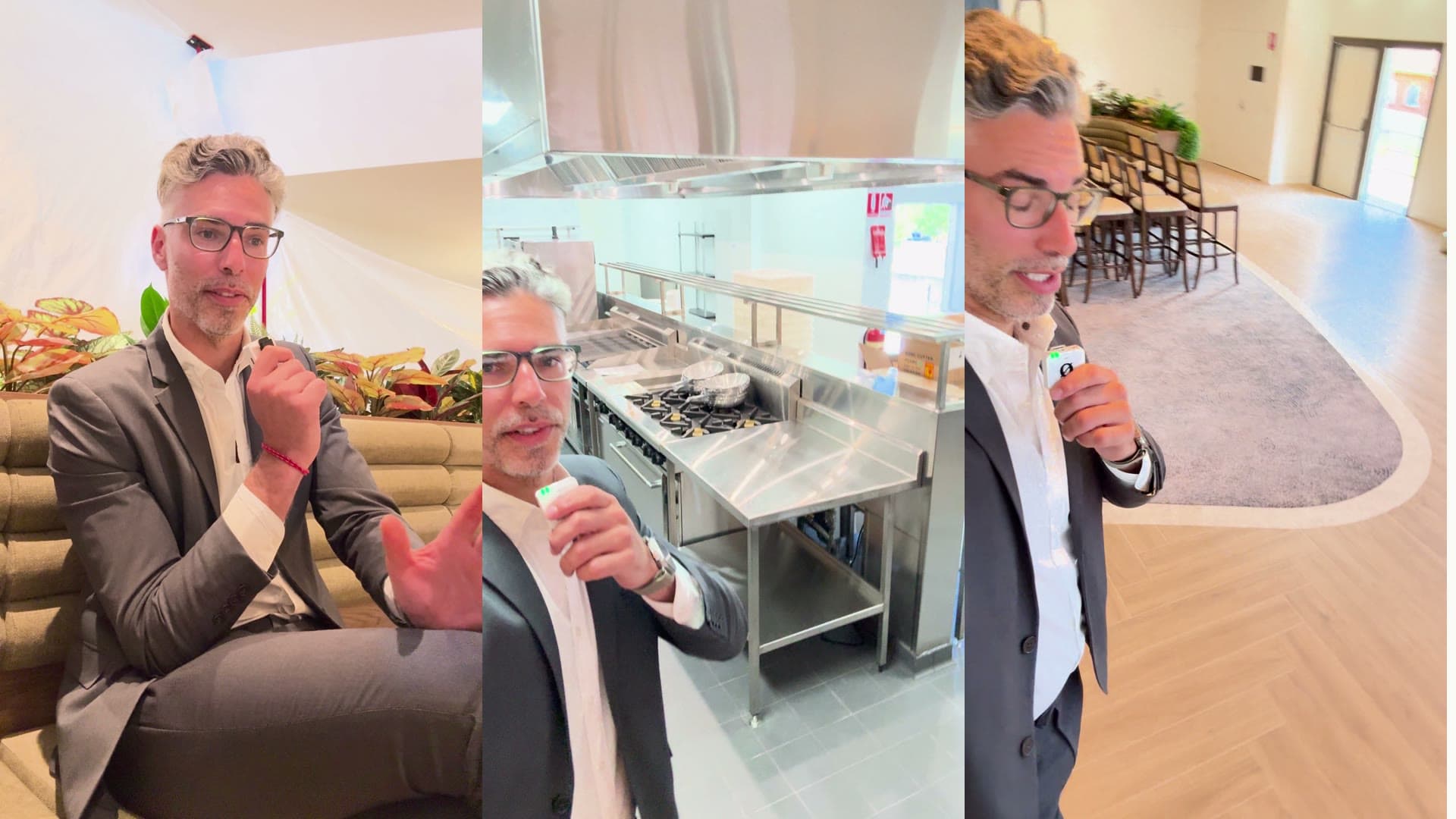
Written in early November 2026, ahead of Granville Diggers Club's opening in mid-November.
"Great, we've got the DA. Let's start building."
I hear some version of that from almost every club board I work with. It's an understandable reaction. Development consent can take a long time, and when it finally comes through it feels like the finish line.
It isn't. At Granville Diggers Club, where UpScale PM is the club's client-side project manager, the redevelopment was almost entirely inside the existing building. There was no new floor area. We enclosed some balcony space, and the only works outside the building envelope were new mechanical plant on the roof for the kitchen exhaust.
We still needed a construction certificate before any building work could start. Before the club can open, it needs an occupation certificate. As I write this, that occupation certificate is imminent. Here's what getting there involved, and what I'd ask any club to check before it puts an opening date in front of its members.
The kitchen that wasn't ready
When the rest of the design was ready for a construction certificate, the kitchen wasn't. It needed engineering sign-off that the rest of the fit-out didn't: acoustic, mechanical and services. We were also still deciding whether to put in a pizza oven. In the end we did, and it needed gas.
Waiting for the kitchen would have held up everything else. So we split the construction certificate in two:
- CC1 covered the demolition and the fit-out of everything except the kitchen.
- CC2 covered the kitchen, once its engineering was resolved.
That let the builder, James Clifford Construction, get started while the kitchen design caught up.
It wasn't free of friction. Working across two certificates meant some grey areas between what one covered and what the other covered, and those had to be managed as the job went. But at the end of the day we had both CCs and the construction went ahead.
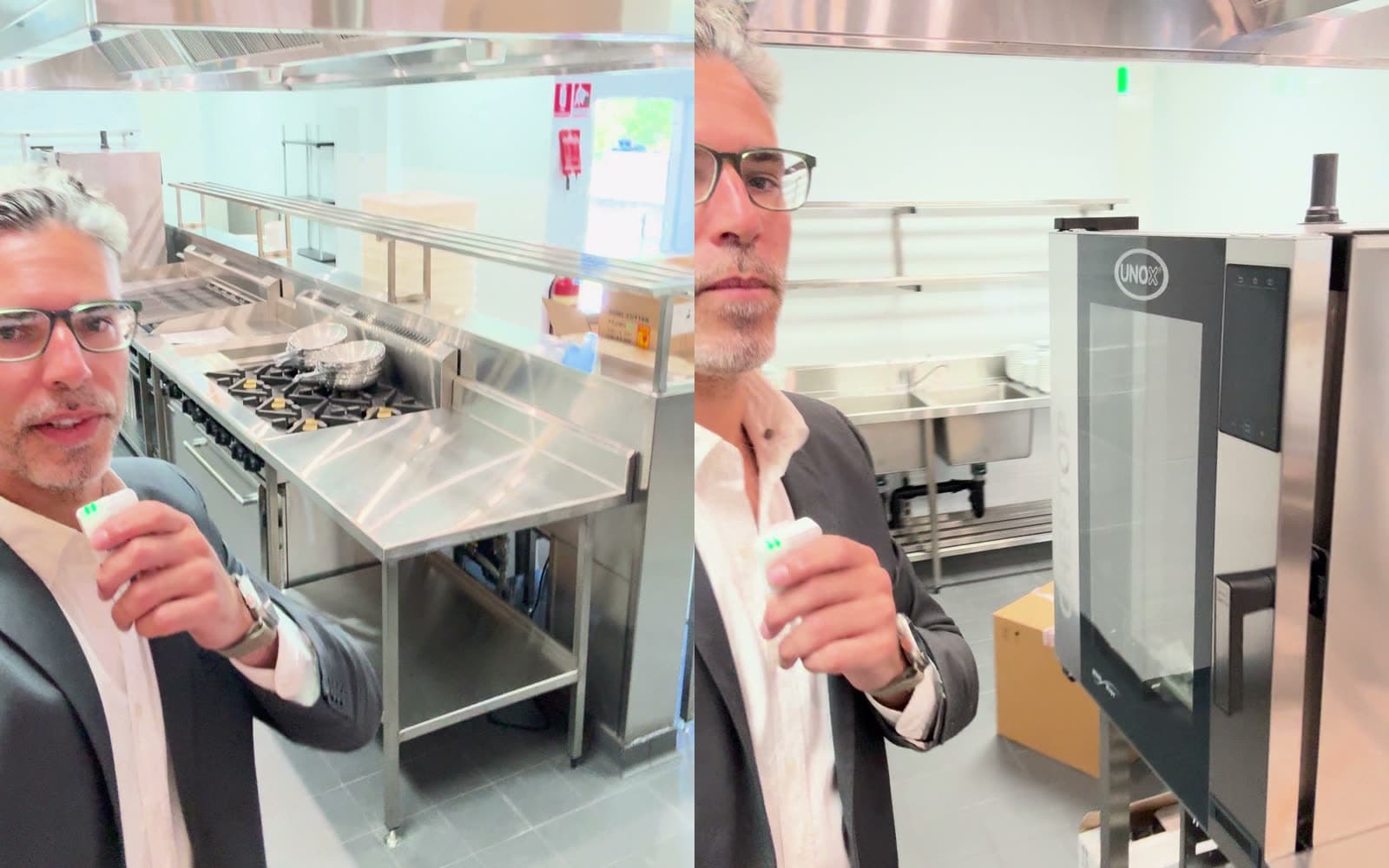
The kitchen itself was fitted out by Speedy Ventilation, one of James Clifford Construction's subcontractors.
A DA lets you develop. It doesn't let you build or open.
For a board, the useful way to think about it is three approvals, not one.
Development consent (the DA) says the project is allowed.
The construction certificate (CC) is where you tell the certifier what you're going to build and how it will comply with the Building Code of Australia and the relevant Australian Standards. Under the NSW Environmental Planning and Assessment Act 1979, a construction certificate is required to build in accordance with a development consent (section 6.7).
The occupation certificate (OC) is where you prove you built what you said. Generally, a new or altered part of a building can't be occupied or used until the OC is issued (section 6.9), and the certifier can't issue it without the consent and the construction certificate. Or, as I'd put it to a board: technically, you can't open and you can't operate until you have the OC.
The OC is the step people most often underestimate.
Why the OC takes longer than people expect
At OC stage, every trade has to provide its certificate confirming that what it installed complies. The certifier looks closely at the wording. A certificate has to reference the right standard, and sometimes the right amendment of it.
On a fit-out like this, that means certificates from across James Clifford Construction's subcontractors, from the kitchen fit-out to the roof plant. Collecting them takes time. It takes much longer once the subcontractors have left site. When they're on to their next project, it's hard to get them back to fix a certificate for a job they consider finished. The time to collect them is as the work finishes, or before.
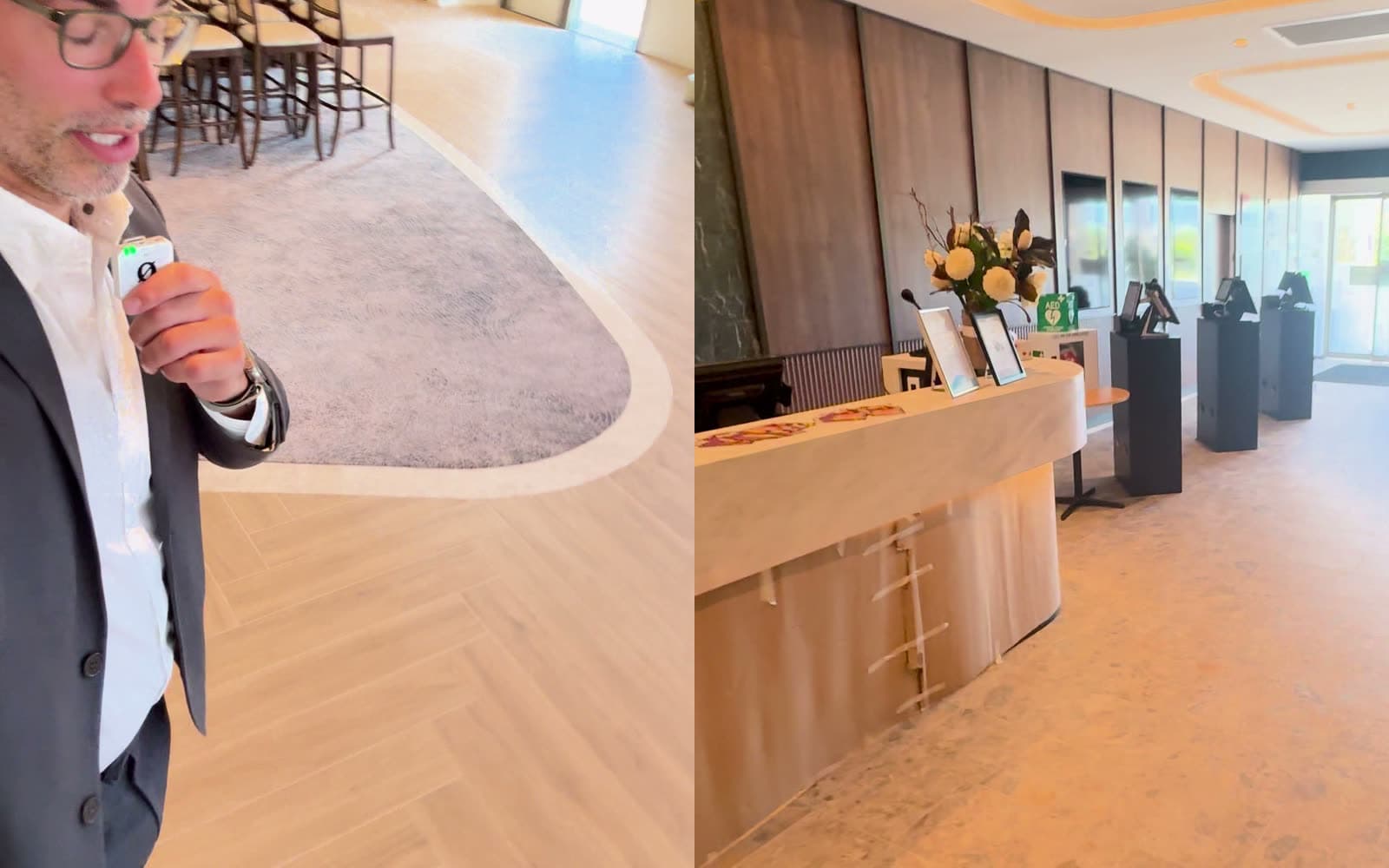
Older buildings add another layer. Granville is a 1960s heritage building, and its existing access ramp had a handrail that didn't match today's standards. A full ramp upgrade wasn't part of this project's scope. So we worked with an accessibility consultant, who proposed a performance solution: a modification to the handrail that will be accepted as compliant, even though it doesn't look exactly like a brand-new ramp would.
In late October, that ramp and the acoustic certificate for the roof mechanical plant were the last items. Once everything is in, it all goes to the principal certifier, Steve Watson & Partners, who review the documentation, inspect the site and issue the OC. The paperwork goes through the NSW Planning Portal.
Five questions to ask before you set an opening date
1. Is every package ready for the construction certificate at the same time? Ask the design team which packages need extra engineering. Kitchens, mechanical, acoustics and fire services are the usual ones. If one is lagging, ask the certifier whether the CC can be split so the rest of the work can start. A good answer names the line between the certificates.
2. If the CC is split, who owns the boundary? Agree in writing what each certificate covers. The grey areas between them are where work gets done under the wrong certificate, or not done at all.
3. Who is collecting the subcontractor certificates, and when? You want a named person and a running register that starts during fit-out, not a scramble at practical completion.
4. What will the certifier ask about the existing building? In an older club, some existing elements won't meet today's standards. Find out early which ones are in question, and whether they're in your scope, need an upgrade, or might suit a performance solution.
5. What's outstanding for the OC at practical completion? Ask for that list specifically. A defects list tells you what the builder still has to fix. It doesn't tell you what stands between you and the occupation certificate.
Before you announce the date
If your board is about to tell members when the new venue opens, ask one question first: what has to happen between practical completion and the occupation certificate, and who owns each item?
If nobody can answer that as a single list, the date isn't real yet.
Granville Diggers Club opens in mid-November, once the occupation certificate is issued by the principal certifier, Steve Watson & Partners.
Project team: UpScale PM (client-side project manager); GeriesPayne (architect); James Clifford Construction (head contractor) and its subcontractors, including Speedy Ventilation on the kitchen fit-out; Steve Watson & Partners (principal certifier).
Free 30-minute project discussion. Message us to find out more.

Director, UpScale Project Management
Registered architect (NSW) and client-side project manager with more than 15 years across architecture practices, client-side project management consultancies and government agencies. Noel founded UpScale PM to provide independent, client-side project management for NSW club boards navigating major redevelopments.
Related insights
Is Your Club Project Ready for the Board to Approve? A 12-Point Test
Before a club board approves the next stage of a refurbishment or redevelopment, it should be able to answer these 12 practical questions.
Sharks Leagues Club: Seven Years in the Making
After closing in 2019 and enduring years of delays, the Cronulla Sharks' new Leagues Club at Woolooware Bay is finally taking shape — with doors expected to open in late 2026. Here's what happened, what's being built, and what other clubs can learn from the journey.
Why Independent Project Advice Matters for Club Redevelopments
Every consultant on a club redevelopment has their own incentives. Here is why independent client-side advice is critical for protecting the board's interests.
Bankstown RSL: A $60M Masterplan That Rebuilt the Club From Scratch
How one of Sydney's oldest RSL clubs sold its existing site, built a brand-new 35,000m2 venue next door, and positioned itself for a 250-room hotel — all within 15 months of construction.