St George Leagues Club: Reviving the Taj Mahal
If you grew up in the St George area, you know the building. Sitting on the Princes Highway in Kogarah since 1963, St George Leagues Club was once the undisputed jewel of Sydney's south — a venue so lavishly finished in white marble that it earned the nickname "the Taj Mahal" on its opening night. It was the first of the so-called "super" leagues clubs, a template that others would spend the next two decades trying to replicate.
But clubs that don't evolve get left behind. While competitors across Sydney poured hundreds of millions into modern hospitality precincts, St George stood still. More than twenty years passed without a major upgrade. The building aged. The foot traffic slowed. The venue that once set the standard started to fall behind it.
That is now changing. Under CEO Craig Epton and Chairman Ralph Piggott, the club has embarked on a multi-stage redevelopment estimated at $50–60 million — the most ambitious transformation in the venue's 60-plus year history. The project is designed to restore St George to its position as the premier entertainment and leisure destination in Sydney's south.
The vision: restore, don't replace
This is not a demolition-and-rebuild job. The board's brief was to reinvent what was already there — to honour the bones of the original mid-century building while delivering a venue that can compete with modern hospitality offerings across Sydney. The scope covers virtually every square metre of the club across both levels, from the entry sequence and foyer through to the auditorium and back-of-house operations.
On the ground floor, the plans call for a completely reconfigured layout: new bars, a state-of-the-art commercial kitchen, and separate dining, lounge, and sports viewing areas. A new 14-metre-deep alfresco balcony along the front of the building will seat 240 people, giving the club a visible street presence from the Princes Highway. A circular rotunda dining space anchors the new facade.
The entry itself gets a total rethink. A grand double-height atrium foyer with a central skylight will replace the existing entrance, giving the building a sense of arrival that the original "Taj Mahal" always aspired to.
On the first floor, a new function and convention centre will overlook the entry atrium, supported by new amenities and commercial kitchens. The famous Crown Dragon Chinese restaurant — a longstanding community fixture — will be reimagined in a modern, comfortable space with private dining rooms, a small terrace, and a new kitchen. And the auditorium, closed for years, will finally be brought back to life for corporate and special events.
The rear of the club will see a major expansion: a double-height sports viewing and pub lounge area pitched as the premium sports viewing location in Sydney. For a club built on rugby league heritage, that is a statement of intent.
The people behind the project
A redevelopment of this scale needs strong leadership and the right professional team. Here is who is driving it.
| Role | Name / Firm |
|---|---|
| Client | St George Leagues Club |
| Chairman | Ralph Piggott |
| CEO | Craig Epton |
| COO | Elie Bassil |
| Architect (Major Works DA) | Cullinan Ivanov Partnership |
| Architect (Gaming & Fitout) | Altis Architecture |
| Development Manager | Hamptons Property Services |
| Local Authority | Georges River Council |
Craig Epton joined as CEO with a mandate to modernise. His predecessor, Danny Robinson, left the club with a strong balance sheet — but the building had not kept pace. Epton's approach has been methodical: start with the revenue engine, invest in people and processes, then roll out the major works.
The architectural scope is split across two firms. Cullinan Ivanov Partnership prepared the development application for the major refurbishment and expansion — the new facade, the alfresco dining, the sports lounge extension, and the first-floor function centre. This is the big-ticket DA work that requires council consent and represents the bulk of the investment.
Altis Architecture, specialists in club and hospitality interiors with over 30 years of experience in the sector, have handled the gaming floor renovation and interior fitout works. Their involvement reflects a practical reality of staged club projects: you often need different consultants for different scopes, particularly when early stages need to move faster than the DA timeline allows.
Hamptons Property Services are acting as development managers, coordinating the staged delivery and managing the interface between design, approvals, and construction.
Planning and approvals
The club sits at 124 Princes Highway, Kogarah, within the Georges River local government area. The development application for the major works was lodged with Georges River Council in late 2024 through the NSW Planning Portal.
For a venue of this scale, sitting on a prominent highway frontage with strong community attachment, the planning process is not straightforward. The DA covers demolition of internal elements, new building works to the rear, a completely new facade treatment, and a substantial increase in outdoor dining capacity. Heritage considerations around the mid-century character of the original building, traffic and parking impacts, and the interface with the Princes Highway corridor all factor into the assessment.
The club has been proactive in managing the approvals timeline. By separating the gaming floor renovation — which could proceed under a simpler approval pathway — from the major works DA, the board was able to start generating returns from the first stage while the larger application moved through council.
A staged delivery
The project is structured across three stages, and the sequencing is deliberate.
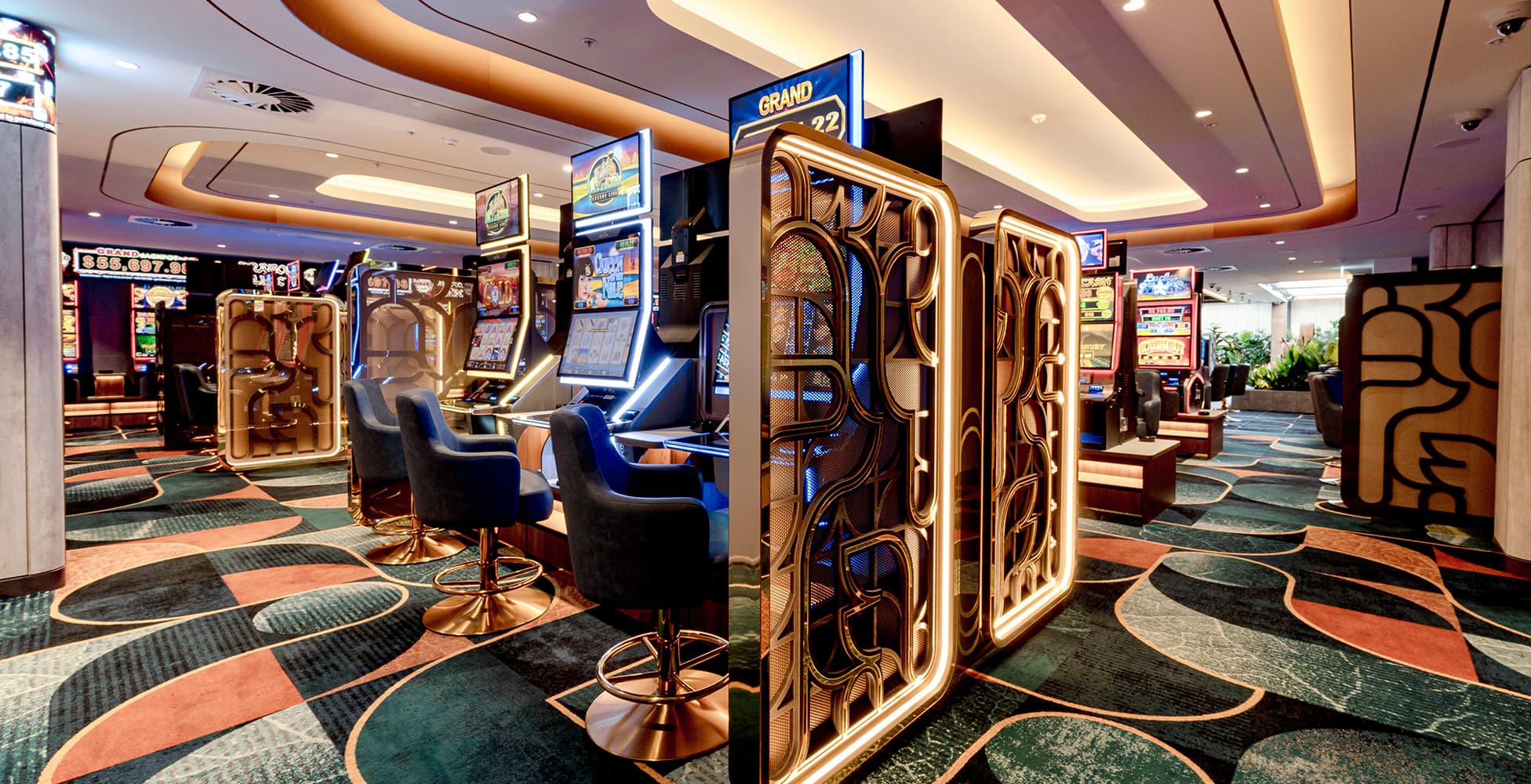
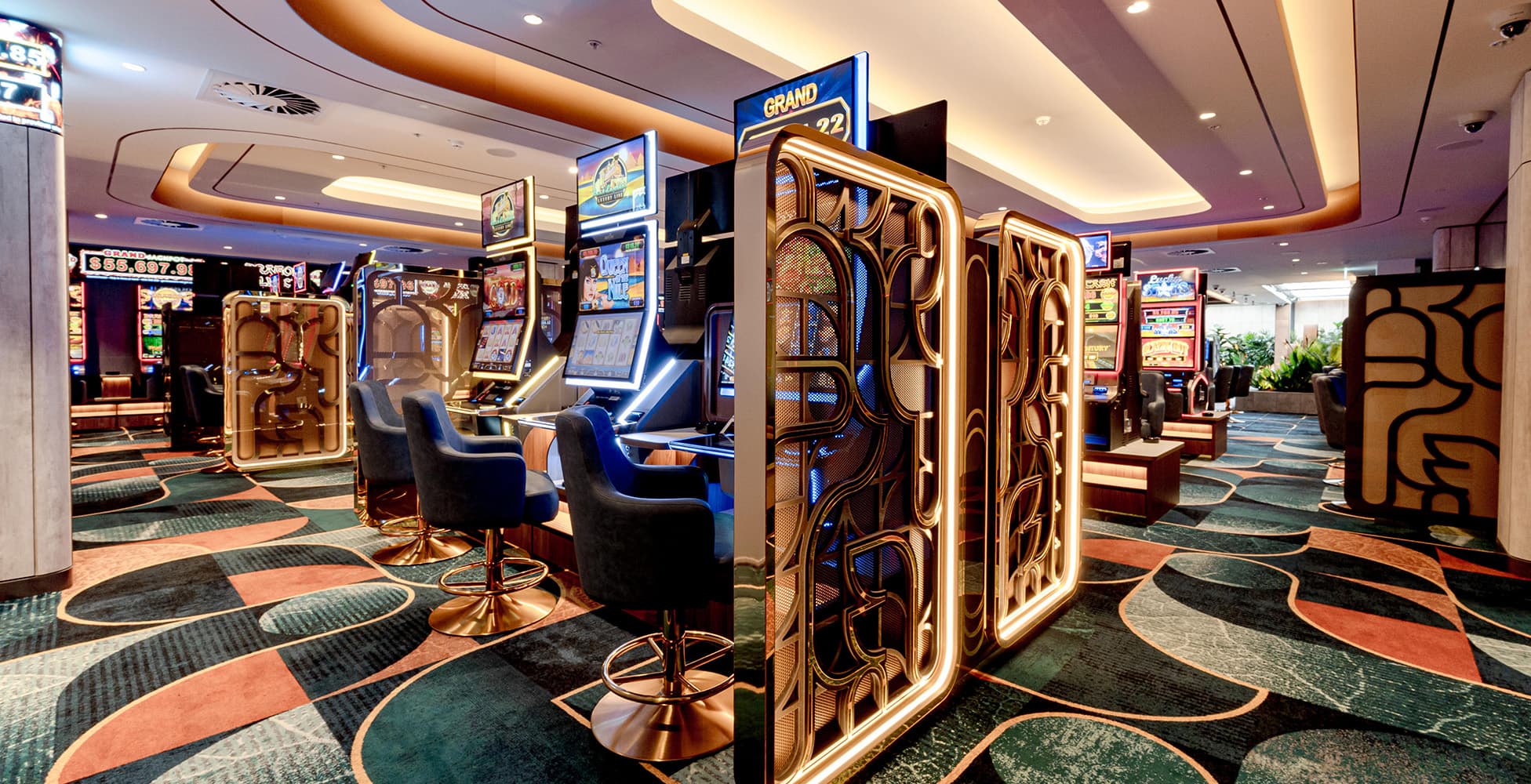
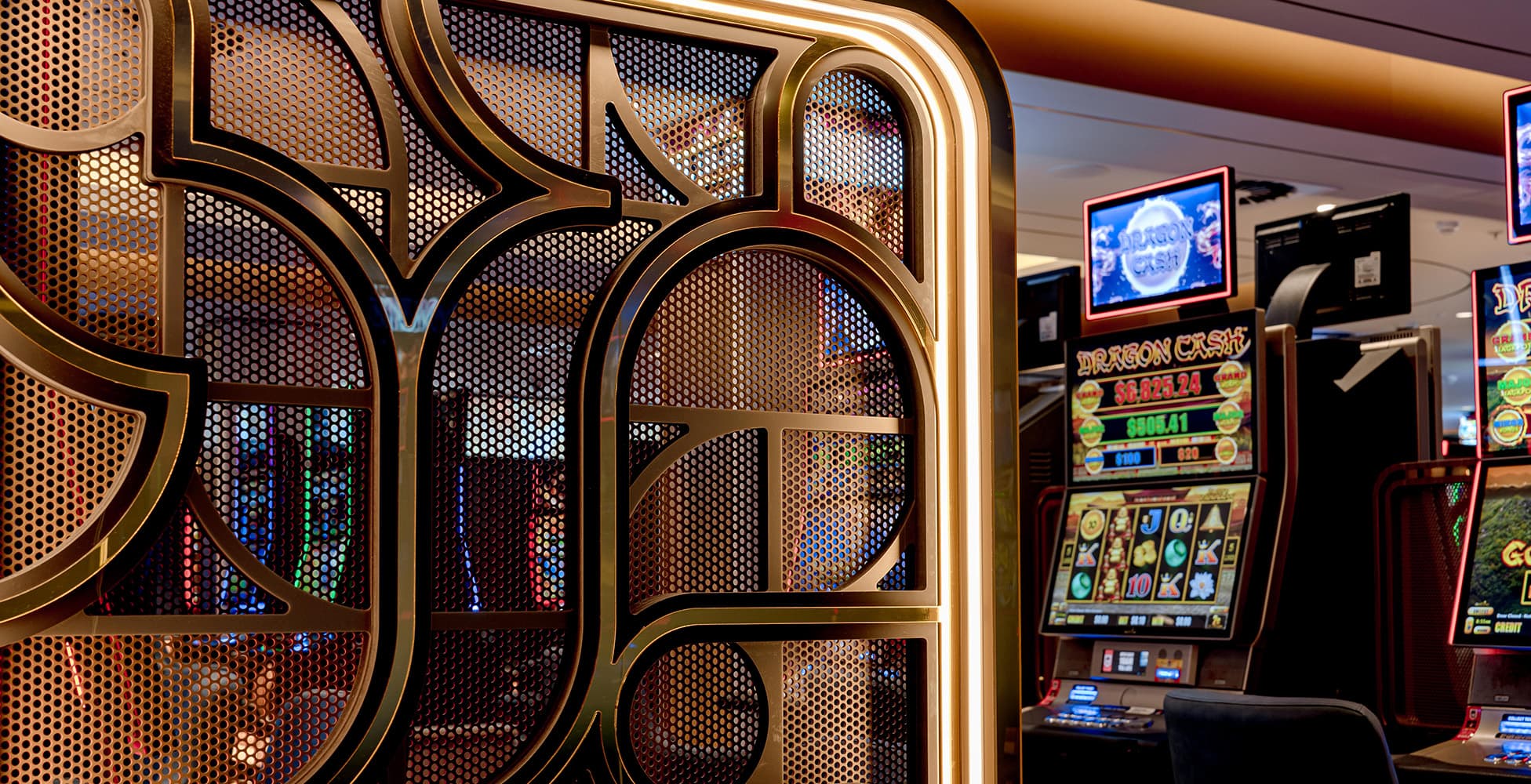
Stage 1 -- Gaming floor (completed): The first cab off the rank was the renovation of the existing gaming facilities, designed by Altis Architecture. The gaming room was extended to significantly increase the outdoor gaming area while reducing internal floor space, a direct response to member demand and changing preferences for open-air gaming environments. Building services received a major upgrade at the same time. This stage was completed in mid-2024, and the results were immediate: the club recorded an all-time record in gaming revenue in February 2024, before the renovation was even fully finished.
Stage 2 -- Food, beverage & sports lounge: The second stage tackles the ground floor hospitality offering. The new alfresco dining area along the western frontage will open the building to the street and create indoor-outdoor dining spaces. A new sports bar on the eastern side of the building completes the ground floor transformation.
Stage 3 -- First floor, Crown Dragon & auditorium: The final stage brings the first-floor function centre, the reimagined Crown Dragon restaurant, and the refurbished auditorium back online. Meeting rooms are also proposed to serve local businesses, addressing a real shortfall in commercial meeting space in the Kogarah area.
The full program is expected to take approximately two years once the major works commence, with the club remaining operational throughout. That is a critical detail. For a venue generating strong gaming revenue and serving a loyal membership base, closing the doors is not an option. The staging strategy allows the club to maintain trading while construction progresses section by section.
Design: mid-century meets modern hospitality
The design philosophy bridges two eras. The new facade deliberately echoes the original mid-century modern architectural style that made the building famous — but reinterpreted through a contemporary lens. The verandah-like alfresco frontage, the faceted rotunda, and the double-height glazed foyer are all designed to give the building a commanding street presence that it has lacked for decades.
Inside, the approach is about flow and flexibility. The ground floor layout eliminates the compartmentalised feel of the existing building and creates clear sightlines between the bars, dining areas, and sports lounge. The double-height sports viewing area at the rear is a new addition entirely — a purpose-built space that leans into the club's rugby league DNA.
The Crown Dragon restaurant on the first floor is a considered move. Chinese dining has been part of the St George Leagues Club offering for generations. Rather than removing it in favour of something trendier, the brief was to elevate it: better space, better kitchen, private dining rooms, and a terrace. The message is that community connection matters more than chasing the latest food trend.
What the club has also done right
Beyond the bricks and mortar, the board and management have made some smart moves.
Amalgamation as a growth strategy. The club recently absorbed the Arncliffe Scots Club, expanding its footprint and membership base. Amalgamation is a well-worn path in the NSW club sector, but it works best when the acquiring club has a clear plan for the additional assets.
Investing in people alongside property. Epton has been explicit that the next phase is as much about staff training and culture as it is about construction. A $60 million building is only as good as the team running it.
Starting with the revenue engine. By renovating the gaming floor first, the club improved its cash flow before committing to the larger capital works. That is smart financial sequencing.
Key takeaways for club boards
-
Twenty years of inaction has a cost. St George's balance sheet was strong, but the building was decades behind competitors. A healthy bank account means nothing if the venue cannot attract the next generation of members.
-
Stage your delivery around revenue. Starting with the gaming floor was not just practical, it was strategic. The early returns help fund subsequent stages and demonstrate momentum to members and stakeholders.
-
Split your consultants to match the scope. Using Altis Architecture for the fast-tracked gaming fitout and Cullinan Ivanov Partnership for the major DA works allowed the project to move on two fronts simultaneously.
-
Keep the doors open. Live-site construction in a trading club is hard, but it preserves the revenue stream that funds the project. Plan the staging around operational continuity from day one.
Live-site club builds are hard, but closing the doors is usually worse for members and cashflow. We have published a client-side how-to for NSW boards: Keep trading during club staged construction. Related: Protecting member funds on a multi-million redevelopment.
- Respect your heritage — then modernise it. The Taj Mahal nickname carries weight in the St George community. The design team leaned into the mid-century origins rather than erasing them, which builds member support for the change.
At UpScale, we're currently managing the delivery of the Granville Diggers Club redevelopment — a project that shares many of the same challenges: maintaining operations during construction, managing staged delivery, and keeping the board informed with independent oversight throughout.
If your club is considering a refurbishment or redevelopment, get in touch. We help boards navigate the process from concept through to completion.

Director, UpScale Project Management
Architect-turned-project manager with experience across government infrastructure, commercial, and hospitality sectors. Noel founded UpScale PM to provide independent, client-side advisory for club boards navigating major redevelopment projects across NSW.