NSW club redevelopment: Campbelltown Golf revenue lift
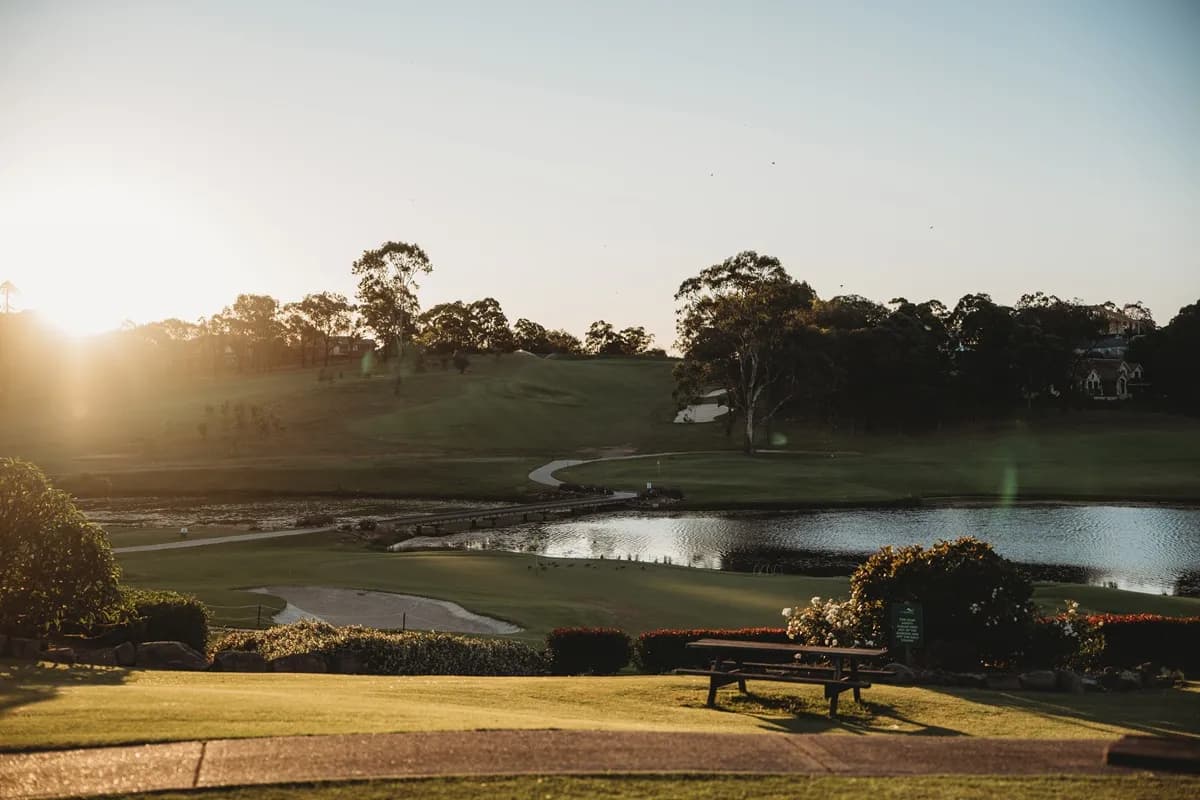
Drive golf club refurbishment ROI: lessons from Campbelltown Golf
Image source: Club Management (clubmanagement.com.au)
NSW clubs are doubling down on NSW club redevelopment projects that do more than "freshen up" tired spaces. The most effective upgrades blend technology-led experiences with contemporary hospitality, because members now compare their club to everything else in their leisure mix. In the Campbelltown case, the broader financial context matters: the club sits within Campbelltown Catholic Club Ltd, which reported $72.85M in FY2023 revenue and $3.32M profit before tax in its most recent reporting period. That's a sophisticated operator with the capacity to invest and then measure results.
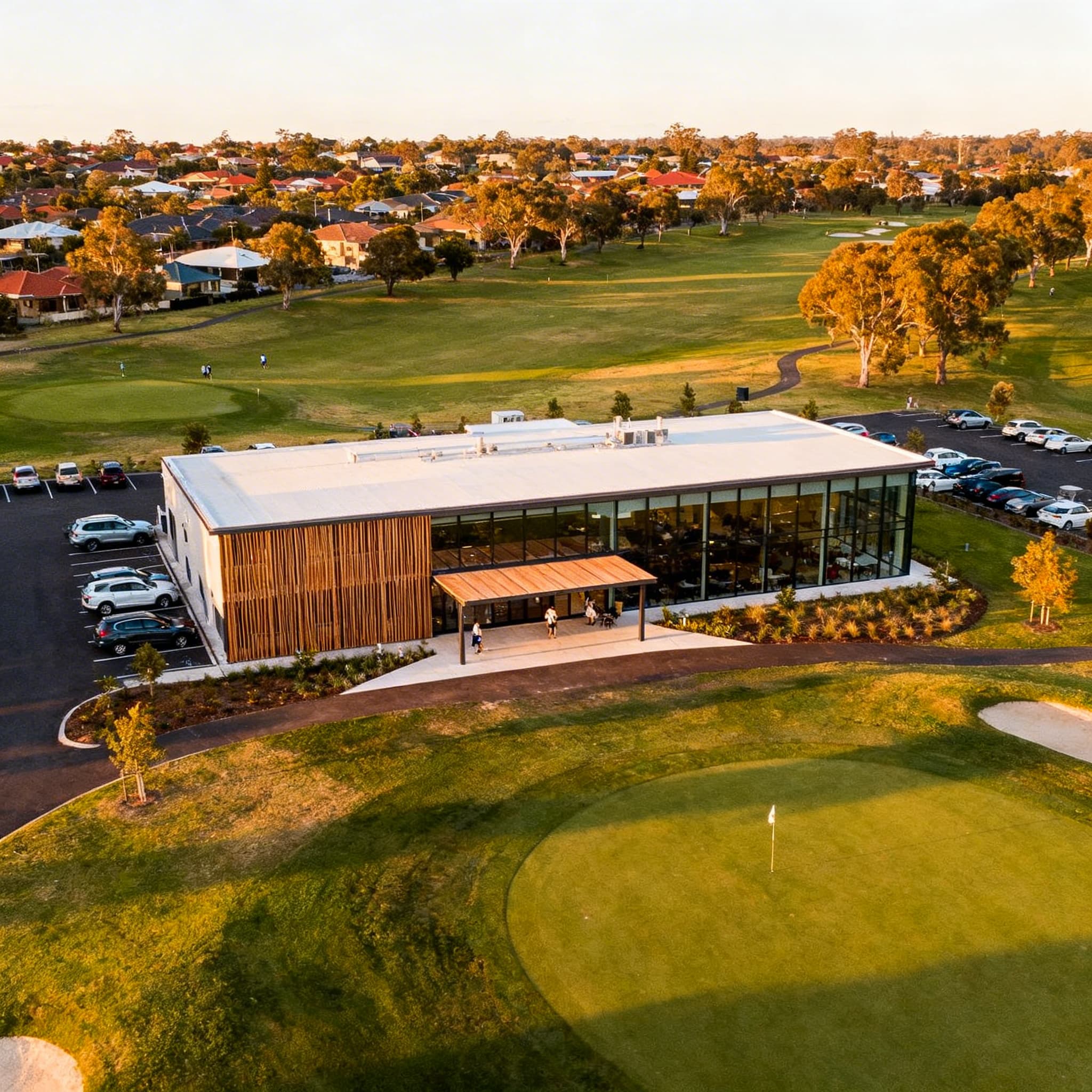
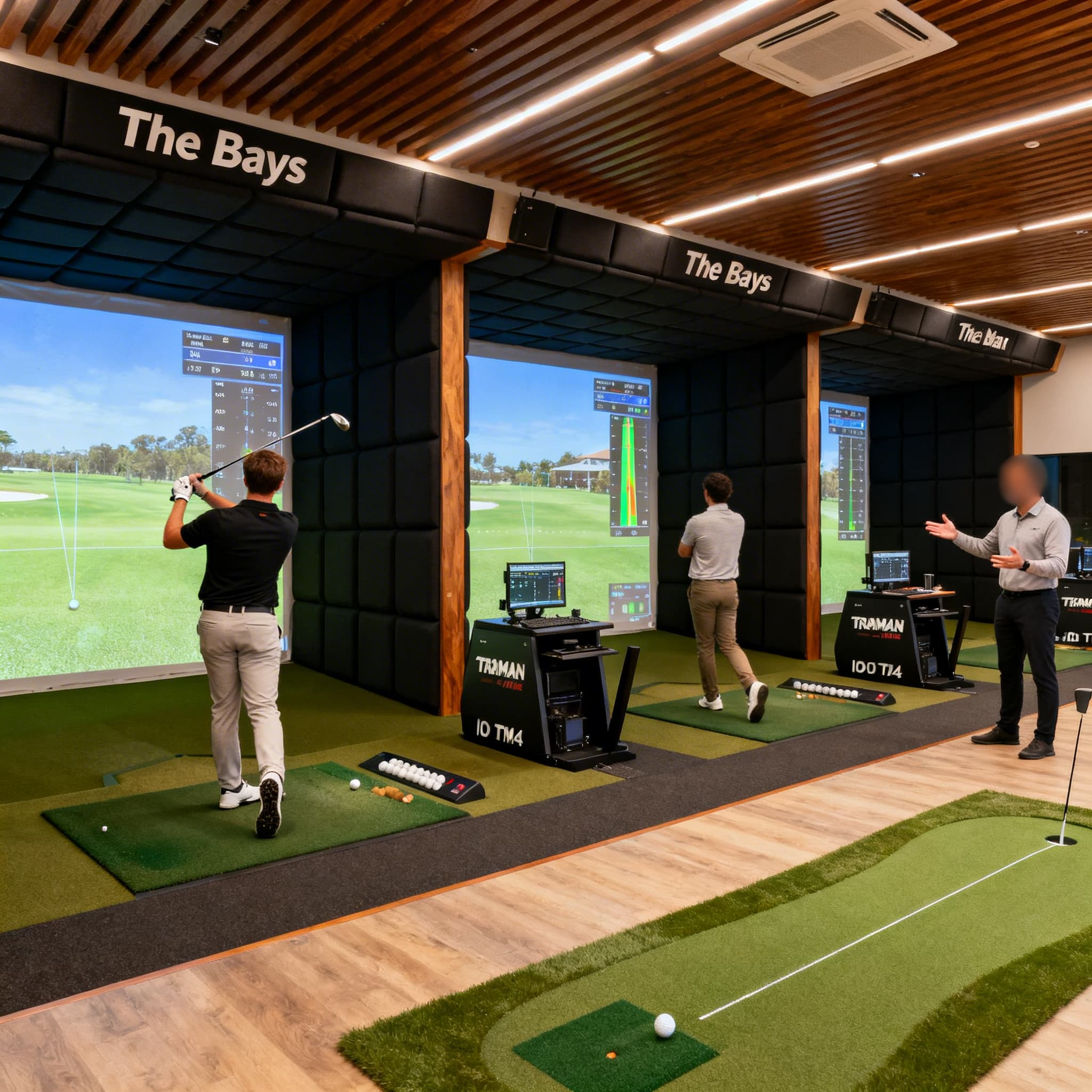
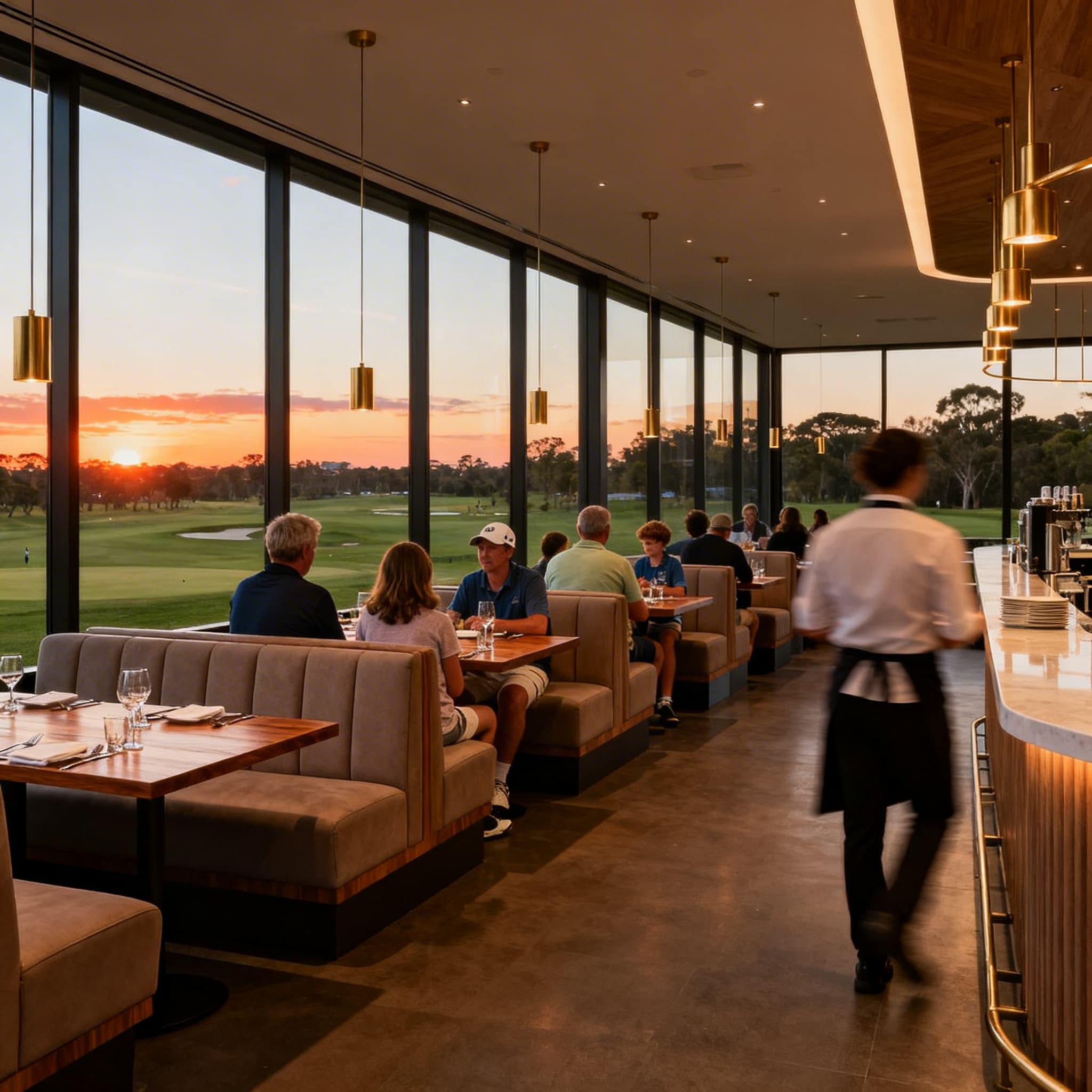
Campbelltown Golf Club's refresh is a sharp example of club ROI delivered through three pillars: a TrackMan Performance Facility ("The Bays"), a refined dining concept (Birdies Bistro), and a modernised clubhouse. The outcome, as reported, was consecutive total revenue records from October to December 2025 following the refresh, right when new facilities were coming online and member usage patterns were changing.
Here are five practical lessons club boards and GMs can apply to their next golf club refurbishment.
1. Build your redevelopment around three revenue pillars (not one)
Campbelltown's refresh works because it wasn't a single-feature project. The club invested across three linked pillars: technology (TrackMan bays), hospitality (Birdies Bistro), and clubhouse modernisation. That matters for revenue uplift because different offers activate different audiences, members, casual golfers, families, and local residents, at different times of day and week.
This is also how boards de-risk ROI: if one pillar ramps up slower than expected (for example, coaching programs take time to mature), hospitality and events can still carry early performance. For clubs within larger groups, it aligns with the expectation that capital goes into assets that broaden yield, not just aesthetics. Campbelltown Catholic Club Ltd employs 437 staff and operates across multiple venues, so the strategy reflects a group-level mindset: upgrade experiences that can scale operationally.
"These developments mark an exciting chapter in the club's evolution. After a period of dedicated planning and investment, we are providing high-quality resources that reflect the standards of our community."
-- Campbelltown Golf Club spokesperson
Takeaway: Frame your business case as a portfolio of revenue drivers, tech, food and beverage, and member amenity, so your club ROI isn't dependent on one "hero" feature.
2. Use TrackMan (and similar tech) to create weather-proof revenue
Traditional golf revenue is exposed to weather, daylight, and pace-of-play constraints. The Bays at Campbelltown uses TrackMan TM4 and IO DUO technology, supporting coaching, structured practice, and virtual golf. The commercial standout is utilisation: simulator bays can operate day and night, run bookings in shorter blocks, and be packaged into clinics, leagues, and corporate events.
The feature set is a direct value proposition: members can play 520+ world courses virtually, which makes the offer legible even to non-traditional golfers ("it's like bowling meets golf meets gaming"). And because the facility had been operational for 4+ months as of February 2026, it likely contributed to the early trading momentum that showed up in the reported October-December 2025 revenue records.
For boards, the lesson isn't "buy TrackMan". It's to invest in experiences that convert space into bookable inventory, with pricing power and repeat visitation.
"These developments mark an exciting chapter in the club's evolution..."
-- Campbelltown Golf Club spokesperson
Takeaway: In your NSW club redevelopment, prioritise assets that turn square metres into bookable sessions. Technology can deliver year-round, time-sliced revenue that complements the course.
3. Treat food and beverage as a market expansion strategy (not a service obligation)
Birdies Bistro signals a deliberate repositioning away from "club dining by default" toward refined, contemporary dining. That's a revenue strategy: it expands the addressable market beyond golf members to local residents across the Macarthur region, and it supports higher frequency visits (lunch, dinner, functions) independent of tee times.
The operational implication matters for boards: hospitality uplift doesn't end when construction finishes. Menu development, chef recruitment, supplier onboarding, and staff training all need runway. Many clubs underestimate this and then wonder why the first two months of trade don't match the pro forma. Campbelltown's ability to hit strong performance quickly suggests planning that aligned the physical venue with operational readiness, particularly when the business is aiming for public-facing dining standards.
The broader group context supports this approach: with $72.85M FY2023 revenue at the parent entity level, diversified hospitality income is clearly part of the model.
"These developments mark an exciting chapter in the club's evolution..."
-- Campbelltown Golf Club spokesperson
Takeaway: When planning a golf club refurbishment, budget and schedule for hospitality "go-live" like a launch: staffing, systems, and brand positioning are as material as tiles and joinery.
4. Keep the club open by designing the staging around member patience
Campbelltown maintained operations throughout a multi-stage redevelopment. That's not just a construction tactic. It's governance and revenue protection. Keeping doors open preserves membership value, maintains cash flow, and reduces the reputational risk that comes when a club "goes dark" and members form new habits elsewhere.
But staging is only effective if it's paired with strong communication. Club leadership explicitly thanked members and staff for patience during works, an indicator the club invested in stakeholder management, not just site management. In practice, this means clear wayfinding, temporary amenities that don't feel second-rate, and frequent "what's changing next" updates so members feel progress rather than disruption.
This is an area where client-side PM adds material value. At UpScale PM, we see the same principle on complex projects like the Granville Diggers Club redevelopment, where staged delivery and operational continuity are planned as carefully as the build itself.
"These developments mark an exciting chapter in the club's evolution..."
-- Campbelltown Golf Club spokesperson
Takeaway: Treat staging as a member-retention program: plan phase-by-phase access, temporary experiences, and communication cadence so "open during works" doesn't become "compromised during works".
5. Measure success in trading outcomes, and sequence works to trigger early wins
The headline outcome from the Campbelltown story is commercial: consecutive total revenue records from October to December 2025 after the refresh. Even without a published percentage uplift, three consecutive record months right after new facilities opened is a strong signal that the mix (tech + dining + modernised clubhouse) changed behaviour and spend.
There's also a sequencing lesson. The TrackMan facility had been running for four+ months by February 2026, meaning it likely launched around October 2025, right at the start of the record-revenue run. That supports a "staged revenue activation" approach: open and monetise parts of the project as they complete, rather than waiting for a single grand opening. This reduces post-completion cash flow pressure and lets the team learn operationally in controlled steps.
For boards, the practical step is to define the measurement framework early: what does success look like in month 1, month 3, and month 12? Bookings, covers, yield per visitor, membership utilisation, coaching revenue, event enquiries. These should be tracked like any other investment.
"To sustain our position as a leading facility in South West Sydney to ensure long-term support of junior sports and the wider community."
-- Wests Group (comparable Macarthur club operator)
Takeaway: Anchor your redevelopment business case in trading KPIs and stage your delivery to create early, measurable wins. Revenue uplift should be engineered, not hoped for.
Conclusion
Campbelltown Golf Club's results answer a question many boards are asking: can a golf club refurbishment genuinely deliver ROI in a competitive leisure market? The evidence points to yes, when the scope is intentionally commercial (tech + hospitality + amenity), delivery protects operations, and the club sequences openings to start earning before everything is finished. The reported record revenue months from October-December 2025 are a timely reminder that smart NSW club redevelopment isn't about spending more. It's about investing where member behaviour and pricing power shift.
For club boards and GMs planning the next chapter, the playbook is practical:
- Design for multiple revenue streams: technology, dining, events, and everyday member comfort should reinforce each other.
- Stage delivery to activate revenue early: treat each separable stage as a launch with targets and learnings.
- Operational readiness is part of the project: hospitality and tech require staffing, training, systems, and marketing. Budget the time.
If you want club ROI, build the redevelopment plan around how the club will trade on day one, not just how it will look at practical completion.
UpScale PM specialises in club redevelopment -- from initial feasibility through staged construction delivery. We are currently delivering the Granville Diggers Club redevelopment and bring hands-on experience in heritage-sensitive club renovation, AS4902 contract administration, and keeping clubs operational during construction. Lets talk about your clubs next chapter.
Call us on 02 9090 4480 or visit upscalepm.com.au

Director, UpScale Project Management
Architect-turned-project manager with experience across government infrastructure, commercial, and hospitality sectors. Noel founded UpScale PM to provide independent, client-side advisory for club boards navigating major redevelopment projects across NSW.